How to choose the right rubber or silicone for the working conditions
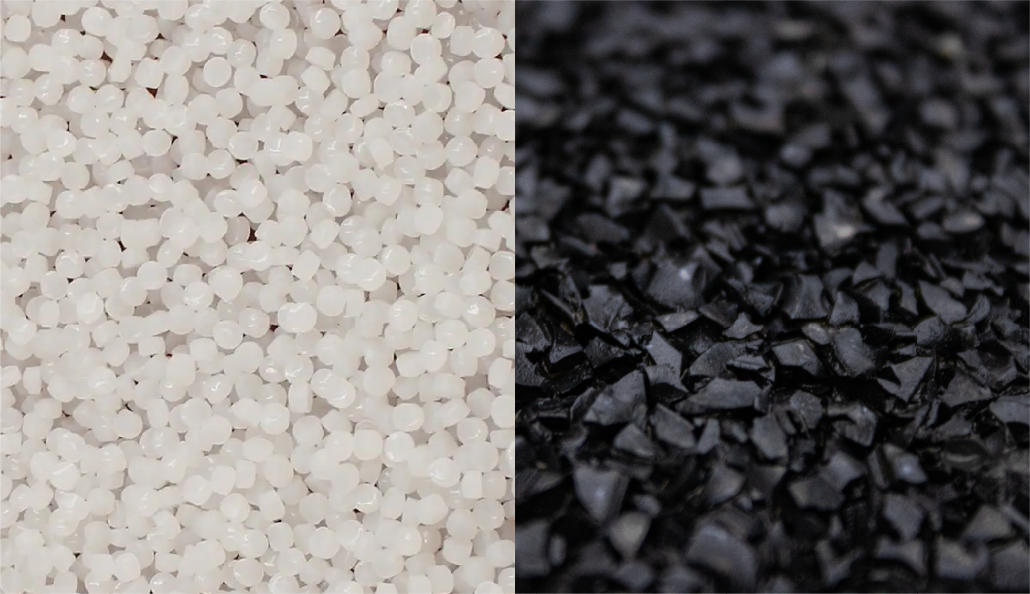
The choice of elastomer determines the performance and service life of an industrial component. Temperature, oils, chemicals, humidity, UV radiation, wear and tear, and movement are some of the factors that must be analysed before selecting a material.
There is no single type of rubber or silicone that is universally suitable for all applications. Material families such as EPDM, NBR, FKM and silicone have different properties and may perform better or worse depending on the operating conditions of each component.
Therefore, the choice of material must be based on the specific requirements of the application and the criteria the component must meet.
How do working conditions affect elastomers?
Industrial elastomers may behave differently when exposed to temperature, humidity, UV radiation, oils or chemicals.
Analysing these conditions makes it possible to determine what properties the material must possess before defining the manufacturing solution.
High and low temperatures
Temperature can affect properties such as the elastomer’s elasticity, mechanical strength and permanent deformation.
Furthermore, a component operating continuously at a specific temperature does not face the same demands as one subjected to temperature fluctuations or occasional temperature peaks.
There are different families of rubbers, such as NBR, EPDM and FKM, whilst silicone exhibits specific characteristics in response to temperature changes.
Silicone stands out for its performance at high and low temperatures and may be a suitable option when the application requires stability in the face of thermal variations and ageing.
Humidity, UV radiation and weathering
Environmental conditions can also influence the choice of elastomer.
EPDM offers high resistance to ageing, weathering, ozone, hot water and steam. Silicone also offers high resistance to ozone, weathering and ultraviolet radiation.
In outdoor applications, these properties must be analysed alongside all other operating conditions to determine the most suitable material.
Which rubber should you choose for oils and chemicals?
Resistance to oils and chemicals depends on the type of substance, the temperature, the duration of exposure and the specific characteristics of the elastomer.
Therefore, selecting a chemical-resistant rubber requires analysing the material’s compatibility with the actual working environment.
NBR for oils and hydrocarbons
NBR is one of the elastomers used when resistance to oils and aliphatic hydrocarbons is one of the application’s key requirements.
Its performance may vary depending on the formulation and the acrylonitrile content. This resistance must be assessed alongside its limitations regarding ozone, weathering and certain chemicals.
EPDM for water, steam and weathering
EPDM offers good resistance to hot water and steam, as well as high resistance to ozone, weathering and numerous non-hydrocarbon chemicals.
However, it is not suitable for certain applications involving petrol, greases, oils and hydrocarbon solvents.
FKM for high temperatures and demanding chemical conditions
FKM combines heat resistance with good performance against oils and certain chemicals at high temperatures.
It also offers good resistance to ozone, weathering and UV radiation. Like any elastomer, it has compatibility limitations that must be checked against the substances present in the application.
Silicone versus chemical agents
Silicone can offer good resistance to certain chemical agents, although its performance depends on the substance and the contact conditions.
For this reason, when a component is to be exposed to oils, chemicals or other fluids, compatibility must be checked for the specific conditions of the application.
Heat-resistant rubber or silicone: which material should you choose?
Certain types of rubber, as well as silicone, can be used in high-temperature applications. However, the maximum operating temperature should not be the sole selection criterion.
The material must be suitable for the full range of conditions to which the component will be subjected.
When temperature is one of the main requirements
Silicone stands out for its wide operating temperature range and its performance under significant temperature fluctuations. It also offers high resistance to ageing, ozone, weathering and UV radiation.
FKM, on the other hand, may be a suitable option when, in addition to heat resistance, the component requires good resistance to oils and certain chemicals.
Other elastomers, such as acrylic rubber, can combine resistance to hot oils and high temperatures in specific applications.
When other operating conditions come into play
Thermal resistance becomes less important if the material does not adequately meet the application’s other requirements.
A component subjected to movement, abrasion, oils, moisture or UV radiation requires an elastomer compatible with all of these conditions.
Therefore, material selection should not be based solely on the maximum temperature it can withstand, but on how the material will perform under actual operating conditions.
How to select the right material for an industrial application?
The selection of elastomeric materials must be based on the actual operating conditions and the properties required of the component.
Analysing the operating conditions
Before selecting the elastomer, it is necessary to know, amongst other things:
- Typical operating temperature.
- Possible temperature peaks or fluctuations.
- Products, fluids or substances coming into contact with the part.
- Operating pressure.
- Movement and friction.
- Moisture and exposure to the outdoors.
- UV radiation and ozone.
- Wear and number of cycles.
- Specific requirements of the component.
The more precise this information is, the more suitable the choice of material for the application will be.
Selecting the elastomer according to the application
A single family of elastomers may have different formulations to meet specific requirements. The final properties depend on the combination of the base elastomer and the components used in the formulation.
The aim is to strike a balance between the properties required by the component and the conditions to which it will be subjected.
Depending on the application, the selection may lead to EPDM, NBR, FKM, silicone or other families of elastomers.
Integrating material, design and manufacture
The selection of the elastomer is only one part of the development of a technical component.
In a bespoke part, the material must be analysed in conjunction with the geometry, tolerances, assembly system and manufacturing process. These elements can influence both the part’s behaviour and its ability to maintain consistent performance throughout production.
Therefore, working with a manufacturer capable of being involved from the project definition phase allows for a comprehensive assessment of the solution.
Selection of materials for technical rubber and silicone components
At Moelsi, we analyse the conditions of each application to determine the most suitable material and solution for each component.
We work with a range of rubber, silicone and liquid silicone materials, and support projects from the design stage right through to manufacture, taking into account technical requirements and production conditions.
Selecting an elastomer is not simply a matter of choosing a material with specific properties: it is about finding the right combination of material, design and manufacturing process to meet the specific needs of the project.
Take a look at our materials for industrial applications and discover the different options available, or contact our team to discuss the requirements of your application.
Not sure which material your component needs?
Send us the drawing or specifications for your project and we will analyse the operating conditions to assess the most suitable elastomer and manufacturing solution.
